Unlock the Mysteries of Tulips with These 7 Unknown Facts
Posted on 18/08/2025
Unlock the Mysteries of Tulips with These 7 Unknown Facts
Tulips have enchanted the world for centuries, admired for their vibrant colors and elegant forms. These remarkable flowers are much more than a staple of springtime gardens and annual festivals around the globe. Unlock the mysteries of tulips as we explore their hidden history, botanical secrets, and surprising cultural impact. Discover a new appreciation for one of nature's most beautiful innovations with these little-known tulip facts designed to delight, educate, and inspire flower enthusiasts.
1. Tulips Originated Far from the Netherlands
When people think of tulips, sprawling Dutch fields often come to mind. But did you know that tulips did not originally come from the Netherlands? The true birthplace of wild tulips is Central Asia, spanning regions we now know as Kazakhstan, Uzbekistan, and parts of northern Iran and Afghanistan.
- Wild tulips grew in rugged mountain valleys and grassy steppes, thriving in extreme climates.
- Nomadic Turkish tribes revered the flower, incorporating its image into their art and textiles.
- Tulips were introduced to Western Europe during the 16th century by botanists and traders fascinated by their exotic charm.
Unlocking this tulip mystery: The Netherlands only became the world's largest producer after centuries of careful cultivation and trading. The original wild tulips are surprisingly different in color and shape compared to the hybrids we know today.
2. Tulip Mania Sparked the World's First Economic Bubble
Tulips have not only dazzled botanists but also caused financial frenzy that's still discussed by economists. In the 1600s, the value of rare tulip bulbs in the Netherlands reached astronomical heights during a period now called Tulip Mania.
- Tulip bulbs became so valuable that they were traded as currency, with single bulbs selling for more than the price of a luxury home.
- Speculators drove prices higher by trading contracts for bulbs, many of which had yet to flower.
- In 1637, the bubble burst, and prices crashed, leaving many investors financially ruined.
While not the world's first economic panic, Tulip Mania is a fascinating hidden chapter in tulip history, reminding us of human folly and the powerful allure of rare beauty.
3. Tulips Are Not Only Edible--But Once Fueled Famine Survivors
Here's an unusual tulip fact--parts of tulips are actually edible, though not especially tasty! During the harsh winter of World War II, especially in the Netherlands during the "Hunger Winter," people were forced to eat tulip bulbs to survive.
- Tulip bulbs were boiled or ground into flour to make soup, bread, and porridge.
- In desperate times, they provided crucial carbohydrates, though careful preparation was required since some tulip species can be toxic if eaten raw.
- To this day, many Dutch families remember stories of their elders surviving thanks to the humble tulip.
If you ever wondered, "Can you eat tulips?" the answer is yes, but exercise caution: only certain tulip bulbs are safe after proper preparation, and most modern gardeners enjoy their beauty rather than their flavor!
4. The Tulip's Colorful Palette Is a Genetic Marvel
Unlock the mysteries of tulip colors and you'll uncover a botanical wonderland. Modern tulips come in almost every hue except for true blue, thanks to centuries of selective breeding. But the real secret to their captivating appearance lies within their genetics.
- Tulips can exhibit striking two-tone petals, stripes, and feather-like "flames." This is often caused by a virus known as the "Tulip Breaking Virus," which disrupts pigment formation.
- In the 17th century, this "breaking" phenomenon led to the most sought-after--and expensive--tulip varieties.
- Breeders now recreate exotic patterns through hybridization, giving us modern varieties like Rembrandt Tulips and Parrot Tulips.
Whether you're a collector or a casual admirer, understanding tulip genetics helps explain why this flower remains one of the most diverse and exciting blooms in the plant world.
5. Tulips Have Deep Symbolic Meaning Across Cultures
Unlocking tulip symbolism reveals layers of cultural meaning behind their simple elegance. For centuries, tulips have served as powerful symbols in art, poetry, and personal rituals.
In the Language of Flowers
- Red tulips symbolize true love and passion.
- Yellow tulips represent cheerfulness and friendship.
- Purple tulips stand for royalty and admiration, while white tulips signify forgiveness and purity.
In Ottoman culture, the word "tulip" (lale) also had religious associations, echoing the name of Allah when written in Arabic script. In the Netherlands, tulips became national icons of resilience and celebration.
Unlock the hidden meanings of your bouquet--each color and variety can convey a special message, making tulips the perfect floral gift for many occasions.
6. There Are Over 3,000 Registered Tulip Varieties
The world of tulips is incredibly vast, far beyond the few types that fill garden centers each spring. There are now over 3,000 registered cultivars, classified into distinct groups based on shape, bloom time, and lineage.
- Single Early and Single Late: Traditional cup-shaped blooms that flower in early or late spring.
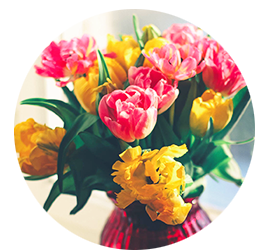
- Double Tulips: Often called "peony tulips," these have extra petals for a ruffled look.
- Fringed and Lily-Flowered: These feature dramatic petal edges or pointed shapes.
- Parrot and Viridiflora: Known for feathery petals or green streaks.
Gardeners, florists, and plant collectors have endless choices when it comes to shapes and colors. Unlock the world of tulip variety and you'll see why visitors throng to famous tulip festivals in countries like the Netherlands, Canada, and Turkey every year.
7. Tulips Are Masters of Adaptation and Survival
Beneath their delicate appearance, tulips are hardy survivors perfectly adapted to challenging environments.
- Tulip bulbs develop deep underground, protected from freezing temperatures and drought.
- They possess built-in "timers" that sense when cold winter has passed, so they burst into bloom at just the right moment in spring.
- Wild tulips often endure hot, dry summers by going dormant and storing energy for the next season.
Unlocking the mysteries of tulip adaptation shows how these flowers have endured and thrived for thousands of years, making them an ideal feature for gardens and landscapes with changing climates.
Unlock the Mysteries of Tulips: Fun Facts & Tips
- Tulip petals can act as rain gauges--they often close up to protect pollen and reopen in sunlight.
- For the longest tulip vase life, cut stems at an angle and change water frequently.
- Tulips continue to grow after being cut, sometimes rising an inch or more in the vase!
- Some tulip species naturally return (or "naturalize") each year, while others need replanting annually.
Unlocking tulip secrets reveals just how much there is to love about these stunning blooms. Whether you're a history buff, a hobby gardener, or simply a lover of flowers, the world of tulips offers beauty, mystery, and an endless source of inspiration.

FAQs: Discover More Tulip Wonders
Are tulips perennials or annuals?
Tulips are technically perennials but many cultivated hybrids are treated as annuals, meaning they are replanted each year for the best blooms.
Can I grow tulips outside the Netherlands?
Absolutely! Tulips thrive in temperate climates worldwide. The key is well-drained soil, cool winters, and replanting for certain types.
What's the best way to unlock vibrant tulip colors in my garden?
- Choose high-quality bulbs with healthy skins.
- Plant in autumn, about 6-8 inches deep in rich, well-drained soil.
- Provide full sun and avoid excessive watering.
- Mix varieties for a naturalized look and a spectrum of colors.
Conclusion: Celebrate Tulip Mysteries Every Spring
The journey to unlock the mysteries of tulips uncovers fascinating stories of history, science, and human culture. From their wild origins and economic intrigue to their stunning diversity and resilience, tulips are far more than just garden beauties--they are living legends.
As you admire the next bloom or stroll through a tulip festival, remember these 7 unknown facts and share them with fellow enthusiasts. The world of tulips is broader, deeper, and more mysterious than most realize--so let these secrets inspire you to cultivate your own tulip adventure.
Unlock the mysteries of tulips each season, and let their enduring charm transform both your garden and your understanding of nature's wonders.
Latest Posts
The Symbolic Power of Red Roses for Valentine's Celebrations
Exquisite Birthday Blossoms to Make Their Day
Unlock the Mysteries of Tulips with These 7 Unknown Facts